

Choosing a Defra Exempt Wood Burner
Smoke Control Areas are the most commonly used classification for UK cities and towns. If you reside in a Smoke Control Area and want to install a stove, you will require a Defra approved stove. You can identify them by their Defra approved logo.
Defra exempt stoves are built to stop the fire from burning and reduce the amount of smoke produced. They also burn fuel more efficiently.
What is an Defra Exempt Stove?
A Defra Exempt Stove is a wood-burning domestic heating appliance which has passed the tests conducted by the Department for Environment, Food and Rural Affairs. The Defra Exempt label is applied to stoves that have been independently tested and meet the strict criteria for emissions. The stoves that are Defra Exempt are safe for use in Smoke Control Areas.
If you reside in a smoke control area it is necessary to have a DEFRA approved stove, as you are not legally allowed to burn wood (unless you are authorised to burn fuel) without one. Installing the use of a non DEFRA approved stove within the smoke control zone is an infraction of the Clean Air Act. You could be prosecuted.
There is not much difference from the outside of the one that is Defra approved and one that doesn't have this status. However, there are DEFRA stoves comparison that stove makers do to ensure that their appliances are DEFRA Exempt. The DEFRA approved stoves come with burners that aren't made to starve flames of oxygen. This can cause them to smoke or create excessive amounts of smoke.
To avoid this manufacturers will alter the top air vent of a stove that is Defra approved. This will stop you from closing the vent all the way down, as this could cut off the flow of air to the fire. The adjustment is usually a small screw located inside the front of the stove, below the stove's base, or on the back of the oven.
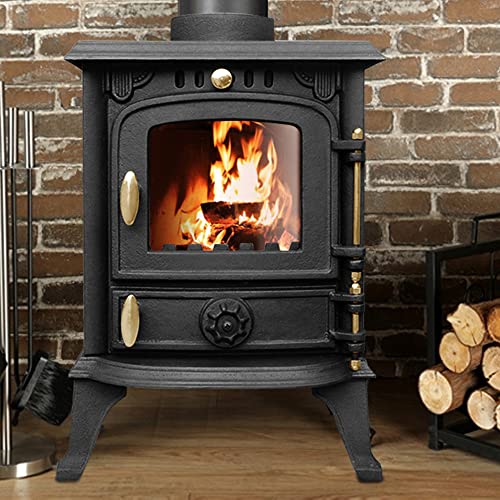
Stoves that are Defra Exempt can be multifuel stoves and may therefore be used to burn different kinds of fuels in addition to wood. This is a great option for those who you live in an area that has been designated as a Smoke Control Area but you don't want to be bound by the restrictions of only using authorised fuels. Some stoves with Defra exemption can also be fitted with 5" liner for wood burning (if the manufacturer doesn't insist on larger dimensions). This is great news for those who plan on installing wood-burning stoves into their homes but are worried about the local regulations regarding smoke.
What are the Benefits of a Defra Approved Stove?
In addition to complying with local regulations and offering a warm cosy fire, Defra approved stoves can provide a variety of other advantages. They are typically more energy efficient than non-Defra stoves, and reduce the amount carbon produced. This can result in significant savings on your heating costs. Defra-approved stoves are also easier to use and have simpler controls than non-approved stoves.
There are many factors to take into consideration when purchasing a wood-burning stove or multi-fuel. These include your heating requirements and aesthetic preferences, and your long-term goals. When choosing a stove it is essential to consider these factors. A defra-exempt stove is ideal for those who live in areas that are smoke-free. These stoves are eco-friendly and have been tested rigorously.
In addition to being environmentally friendly, Defra approved stoves are made to offer better combustion and flame spread. This ensures the fuel burns evenly and produces a consistent, pleasant flame. Additionally, they tend to be more durable than non-Defra certified stoves, meaning they last longer and endure higher temperatures.
Additionally, most Defra approved stoves are compatible with a 5" chimney liner, which is perfect for homes that are located in smoke-free areas. It is crucial to keep in mind that if you plan to use your stove with damp wood or other fuels that are damp, it will still produce unpleasant fumes and may lead to prosecution from the local authorities.
To achieve Defra approval stove manufacturers must make modifications to their appliances to limit the amount of air that will be deprived during the burning process. The air control at the top is typically modified to prevent the entire closure. If you shut off the air supply too much it can cause the stove to smoulder instead of burning properly. This could result in an unpleasant smell of smoke.
What is the Difference Between an approved Defra Stove and a Non-Defra Approved Stove?
The most obvious difference is that a defra-approved stove can legally burn wood in a Smoke Control Area, whereas a non-defra exempted stove won't. Stoves that are approved by Defra have passed tests that show they can burn wood safely and efficiently in smoke-controlled areas without producing excessive levels of smoke. This means that if you live in a smoke-free zone, you will be able to use your new stove with no possibility of paying hefty fines.
A Defra approved stove is more efficient than other types of wood-burning stoves so it will generate more heat and emit less harmful emissions into the atmosphere. This makes them a great option for homeowners looking to save money on heating costs and are concerned about the environment.
Stoves which have been Defra-approved will be advertised with the Defra Approved Logo that has been adopted by stove manufacturers. You can also check whether a stove is Defra exempt by examining the specification details or by visiting the manufacturer's website for more details about it.
When choosing a Defra approved stove it is important to consider the style that you require since there are a myriad of options available. Some of these are more traditional and look great in an old fireplace chamber or inglenook while others are more contemporary and will suit a contemporary living space.
Verify that the stove is Defra-exempt. It should appear on the DEFRA list of authorized appliances, or bear the DEFRA logo. Many manufacturers will market their stoves as being Defra exempt even though they haven't been tested to show that they are. It is much easier to market a Clean Burn stove than to test and go through the expense of becoming Defra-exempt.
The stove will be exempt from Defra regulations, ensuring that the wood used as fuel for it is sourced sustainably and properly dried before burning. This reduces the amount of smoke produced which is healthier for the earth. It also helps keep chimneys in good condition for longer.
What is the difference between a Defra Exempt Stove vs. a Non-Defra Exempt Stove?
You will need to consider several factors when choosing the right stove for your home. These include the style as well as heat output and fuel type. You might have noticed on our site that many wood burning and multi-fuel stoves are DEFRA exempted or DEFRA approved. This is jargon that to the average homeowner, may seem like a marketing phrase. However it can have significant implications for those who live in smoke-controlled areas.
In order to comply with the laws prohibiting the sale of logs in Smoke Control Areas, Defra exempt wood burners are constructed with an internal mechanism that stops you from closing the air supply valve all the way. If you reduce the flow of air to the fire in excess it can cause the wood to smolder, and produce excess smoke. This will be against the law. To avoid this, make sure that your wood is dried thoroughly before you put it in the stove.
You can also use an exempt DEFRA wood burner in an Smoke Control Area, if you only use approved fuels on the DEFRA website. This includes anthracites and semi-anthracites as well as gas, and low volatile steam coal. If you decide to fit a non-DEFRA approved stove in your home and burn wet wood or any other fuels that aren't on the DEFRA list that you can be fined up to PS1000.
Even if you don't live in the Smoke Control Area a DEFRA exempted wood burner is still an excellent choice. They are more eco friendly and neighbor-friendly as they are able to operate without generating polluting smoke. They are also more efficient and keep your chimney and flue system cleaner for a longer period of time. It is important to know that all new stoves must to meet the stricter Ecodesign standards by 2022. These regulations set minimum efficiency levels, NOX and OGV ceilings, and emissions limits that are significantly higher than those currently in place for DEFRA-exempt appliances.